Understanding your family's energy consumption patterns is one of the smartest things you can do as an Australian homeowner. When you know when your household uses the most power, you can make informed decisions about everything from appliance usage to solar investments. This knowledge becomes even more valuable when you're considering renewable energy solutions for your home.
The Daily Energy Peak Challenge
Most Australian households experience two major energy peaks each day. The first occurs in the morning, between 6am and 9am, when families wake up, shower, cook breakfast, and prepare for work and school. During this time, hot water systems, electric heaters, stoves, and multiple appliances run simultaneously, creating a spike in demand.
The second peak happens in the evening, typically between 5pm and 8pm. This is when people return home, prepare dinner, turn on heating or cooling systems, use lighting, and spend time on entertainment devices. This evening peak is usually higher than the morning one, and it's when Australian families place the greatest demands on their electricity supply.
Understanding these patterns helps you see why solar energy can be particularly beneficial. Solar generation peaks during the middle of the day, which doesn't perfectly align with your household peaks, but a quality solar system can still significantly reduce your reliance on grid electricity throughout the day.
Seasonal Variations in Energy Use
Your energy consumption isn't constant throughout the year. Australian seasons dramatically affect household power needs. During winter months, heating demands increase, particularly in southern states where temperatures drop significantly. Families use electric heaters, heat pumps, and other warming appliances more frequently, pushing energy consumption higher.
Summer brings different challenges. Air conditioning systems work overtime to keep homes cool during hot spells, and this is often when Australian households consume the most electricity overall. Interestingly, summer is also when solar panels produce their maximum output, though peak panel production often occurs before your evening cooling demands peak.
Spring and autumn tend to be the sweet spot for energy efficiency, with moderate temperatures requiring less active heating or cooling. These shoulder seasons give you a good baseline for understanding your true essential power needs.
Practical Strategies to Manage Peak Consumption
Once you understand when your family uses the most power, you can implement several strategies to reduce peak demand. Start by shifting high-energy activities away from peak times when possible. Run your washing machine and dishwasher during off-peak hours, usually late morning or mid-afternoon. Many electricity plans offer cheaper rates during these times, which can help reduce your overall bills.
Invest in smart power boards and timers for devices that don't need to run constantly. Many households have devices consuming power in standby mode throughout the day and night, which adds up significantly over time. Smart thermostats can learn your family's routine and adjust heating or cooling automatically, rather than running at full capacity when you don't need it.
Consider upgrading to energy-efficient appliances, particularly your refrigerator, washing machine, and heating or cooling system. Modern appliances use significantly less power than older models, which particularly helps during peak consumption periods.
How Solar Helps During Peak Times
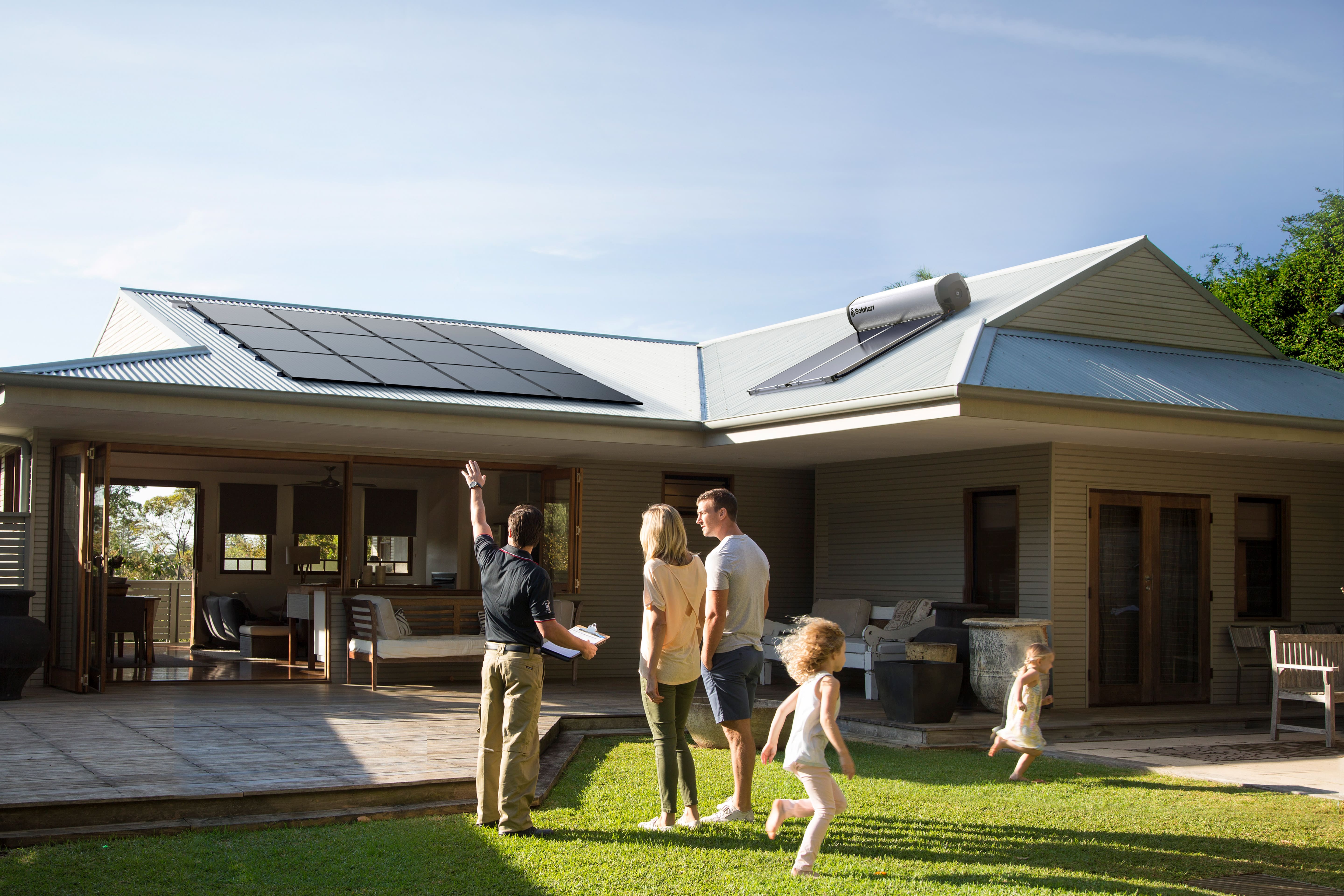
A solar system generates power during the day, typically peaking around midday. While this doesn't directly align with your evening peak, it does reduce the amount of grid electricity you need throughout the day. The real advantage comes if you add battery storage to your system. A battery stores excess solar energy generated during the day so you can use it during evening peak times when solar production has stopped.
This strategy becomes increasingly popular with Australian homeowners who want to maximise their independence from grid electricity and reduce exposure to rising energy costs. Solahart Far South Coast can assess your household's specific consumption patterns and recommend a solar solution that works best for your family's needs.
Getting a Customised Solar Solution
Every Australian household has different energy patterns based on family size, work schedules, appliances, and climate zone. What works for one family won't necessarily work for another. This is why getting professional advice is so valuable.
The team at Solahart Far South Coast can conduct a detailed analysis of your energy consumption, discuss your household routines and goals, and design a solar system tailored specifically to your circumstances. They'll explain how solar can complement your existing energy usage patterns and help you make the most of renewable energy.
Taking Control of Your Energy Future
Managing your household's energy consumption doesn't have to be complicated. Start by understanding when you use the most power, make simple adjustments where you can, and then explore how solar energy might enhance your energy independence. Solahart Far South Coast is ready to help you navigate these options with expert advice specific to your home and location.
Energy savings vary depending on household usage and location.